

CPAP Clarity: A Lifelong Tool, Not a Life Sentence
When your doctor says, “You’ll need CPAP therapy,” it’s easy to panic at the thought of using a machine forever. But here’s the reality: CPAP isn’t a punishment. It’s a life-changing therapy that restores restful sleep, protects your heart, and boosts your quality of life.
So, is CPAP really forever? Let’s clear the air.
Why CPAP Is Needed in the First Place
Obstructive Sleep Apnea (OSA) happens when your airway collapses during sleep. The result?
- Snoring, gasping, or choking
- Oxygen dips
- Repeated awakenings (often without realizing it)
- Daytime fatigue, brain fog, and irritability
More importantly, untreated sleep apnea increases your risk of:
- Stroke
- High blood pressure
- Heart disease
- Diabetes
- Cognitive decline
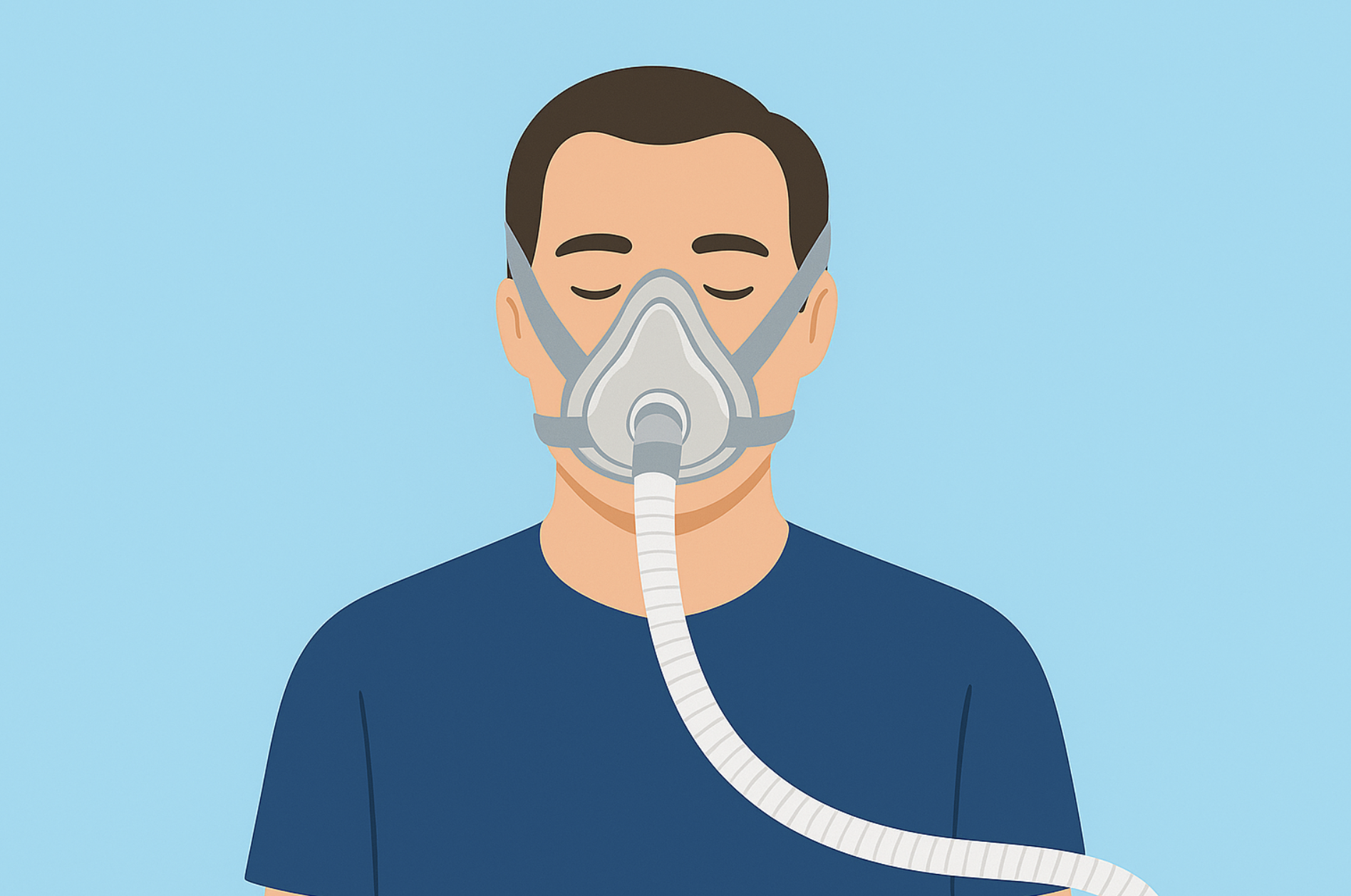
CPAP (Continuous Positive Airway Pressure) therapy keeps your airway open with a gentle stream of air. Think of it as a “splint” that prevents airway collapse. The moment you use it, you breathe and sleep better.
Is CPAP Therapy Forever?
For most people, yes; CPAP is a lifelong therapy.
Why? Because the most common factor behind OSA isn’t just weight, it’s airway anatomy, which is often inherited. A narrow jaw, large tongue, or soft tissue in the throat are genetic traits you can’t simply “diet away.”
Research shows genetics play a huge role in sleep apnea. If your family snores or uses CPAP, chances are you’ve inherited the same airway design. That’s why even after weight loss, many people still need CPAP.
Snoring Is Never Normal
Many dismiss snoring as a harmless quirk, but it’s actually a warning sign. Snoring means air is struggling through a narrowed airway, and it often leads to full obstruction (apnea).
Snoring should always be taken seriously, it’s the sound of your airway crying for help.
Can you get off CPAP once you start?
There are exceptions. Some people can discontinue CPAP if their sleep apnea was caused by a reversible factor such as:
- Significant weight loss
- Allergies or nasal obstruction (e.g., deviated septum surgery)
- Pregnancy-related apnea
- Alcohol-related apnea
- Mild positional sleep apnea
Other treatments can also help in certain cases:
- Surgery (jaw advancement, airway tissue removal, tongue reduction)
- Oral appliances (to reposition the jaw or tongue)
- Hypoglossal nerve stimulation (an implant to control tongue movement)
- Lifestyle changes (weight management, avoiding alcohol, side-sleeping)
However, sleep apnea often comes back with aging, as tissues relax and muscles weaken, so long-term follow-up with a sleep specialist is crucial.
Why CPAP Is Worth It
Some people call CPAP a “life sentence,” but the truth is untreated sleep apnea is the real danger. As one CPAP user on Reddit put it:
“CPAP is a life sentence. Sleep apnea is a death sentence.”
With CPAP, you’re not just preventing health complications, you’re reclaiming energy, focus, and even relationships (partners often say snoring treatment saves marriages).
Many users find that once they adjust, CPAP becomes second nature, even comforting, like a “sleep security blanket.”
The Bottom Line
- CPAP is not a cure, it only works while you use it.
- For most people, CPAP is lifelong, because airway anatomy doesn’t change.
- Some exceptions exist (weight loss, surgery, lifestyle changes), but ongoing monitoring is vital.
- Far from being a burden, CPAP is a simple, side-effect-free therapy that can transform your health and add years to your life.
So, instead of thinking of CPAP as “forever,” think of it as a lifelong ally, helping you breathe, sleep, and live better.
Browse CPAP machines on Meditree to find a device that fits your needs.
Read: Is It Safe and Smart to Buy a Second-Hand CPAP Machine
